Can you record police in public? Court rules in Connecticut case
Source link
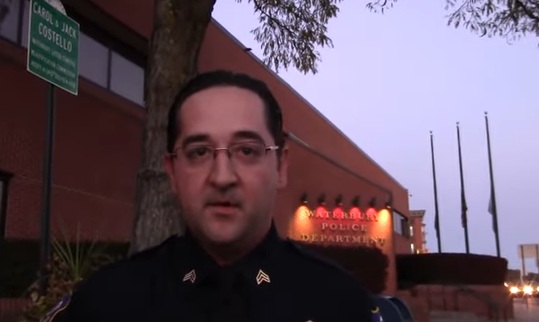
In a significant ruling regarding First Amendment rights, the U.S. Court of Appeals for the Second Circuit upheld a lower court’s decision favoring two Waterbury police officers, Matthew Benoit and Frank Laone, in a lawsuit brought by Keith Massimino. The case stems from Massimino’s 2018 “First Amendment audit,” where he filmed the exterior of a police station from a public sidewalk. Although the court affirmed that individuals have the right to record law enforcement activity in public, it granted the officers qualified immunity. This was based on the determination that the right was not clearly established in the Second Circuit at the time of Massimino’s arrest.
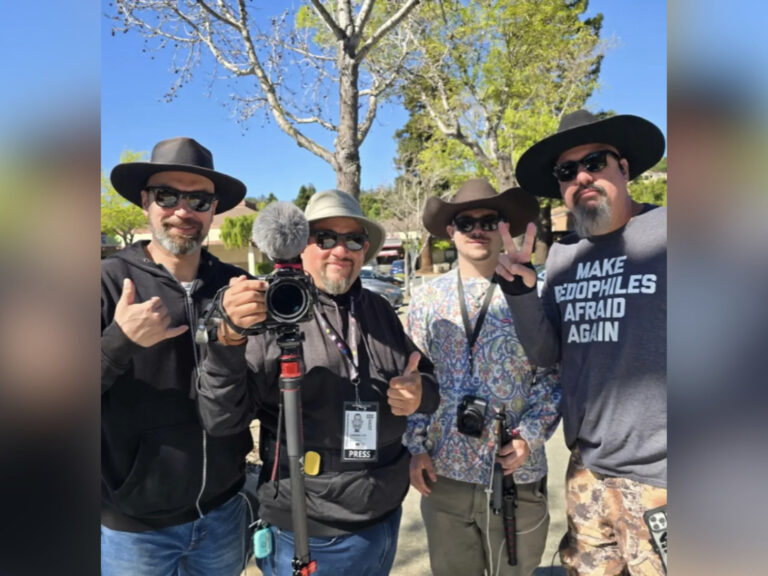
Massimino, who claims to be a “First Amendment auditing hobbyist,” conducted the recording to test the police’s willingness to allow filming without interference. When confronted by the officers, he identified himself as a journalist but declined to provide further information, which led to his arrest after he refused to show identification. The court dismissed charges of interfering with police but acknowledged that, due to the circumstances—such as filming at dusk and providing evasive answers—there was reasonable suspicion for a brief detention and probable cause for his arrest.
Judge Myrna Perez emphasized the balance between protecting free expression and recognizing law enforcement’s challenges, stating that “speech and scrutiny are essential” to democratic society. Meanwhile, legal representatives for the officers maintained that no clearly defined right to record in such situations existed at the time, justifying the immunity. While Massimino did not win his lawsuit, the ruling reinforces the public’s right to record police activities, highlighting the importance of accountability in law enforcement.